

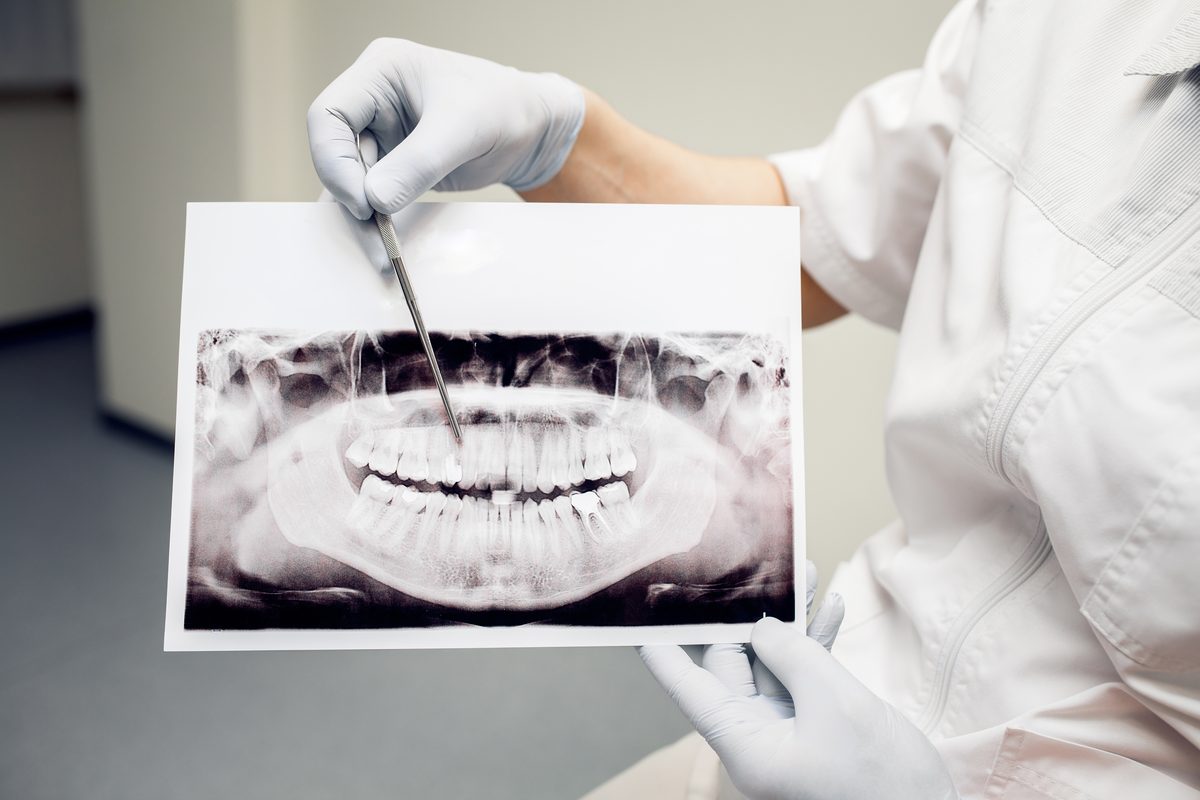
“My teeth feel fine.” We hear this all the time—and that’s wonderful. But feeling fine doesn’t necessarily mean that nothing is changing.
Your mouth is a living, constantly changing environment. Your teeth, gums, bone, saliva, bacteria, muscles, and bite respond to what is happening in your body and in your life. Most of those changes happen quietly.
Imagine looking at a single photograph of someone walking down a road. You can see exactly where that person is at that moment, but you don’t know where they came from or which direction they’re traveling.
Dental health works much the same way. An examination tells us what your mouth looks like today. But when we compare today’s information with photographs, X-rays, gum measurements, and other records from the past, we can begin to see something even more valuable: Direction.
Is that tiny crack unchanged—or getting larger? Has the bone around a tooth remained stable? Is an old filling beginning to break down? Are the gums becoming healthier or showing increasing inflammation? Are certain teeth showing signs of excessive force? Those patterns can tell us far more than a single examination ever could.
Our bodies adapt remarkably well. A cavity can grow without causing pain. Gum disease may progress without hurting. A tooth can develop a crack long before you feel it. Bone can gradually change around teeth. An old restoration can begin breaking down while the tooth still feels completely normal.
Pain is important information—but it isn’t always an early warning system. In fact, by the time something hurts, our treatment choices may sometimes be more limited. That is why prevention isn’t really about searching for things to fix. It’s about watching for change.
Your mouth doesn’t exist separately from the rest of you. A new medication may decrease your saliva. Stress may increase clenching or grinding. Changes in sleep or breathing may influence your chewing system. Hormonal changes, illness, diet, home-care habits, and aging can all affect your oral health.
Even excellent dental work doesn’t remain frozen in time. Fillings, crowns, implants, and dentures live in the same changing environment as your natural teeth. That’s why something that was perfectly healthy five years ago still deserves our attention today.
One of the most valuable things we can do in dentistry is establish a baseline. Photographs, X-rays when appropriate, gum measurements, bite information, and a thorough examination give us a picture of where you are now. Over time, those records allow us to recognize meaningful changes.
And finding a change doesn’t automatically mean something needs treatment. Sometimes the best decision is to watch it. We can photograph it. Measure it. Document it. And compare it again later. That is the beauty of prevention. The purpose isn’t to find more dentistry to do. The purpose is to recognize changes early enough that you have more choices—and sometimes, that means we don’t need to do anything at all.
Your mouth will keep changing throughout your life. Our job is to understand those changes, help you understand what they mean, and give you the information you need to decide how to move forward, because your dental health isn’t a single snapshot. It’s part of your journey.