

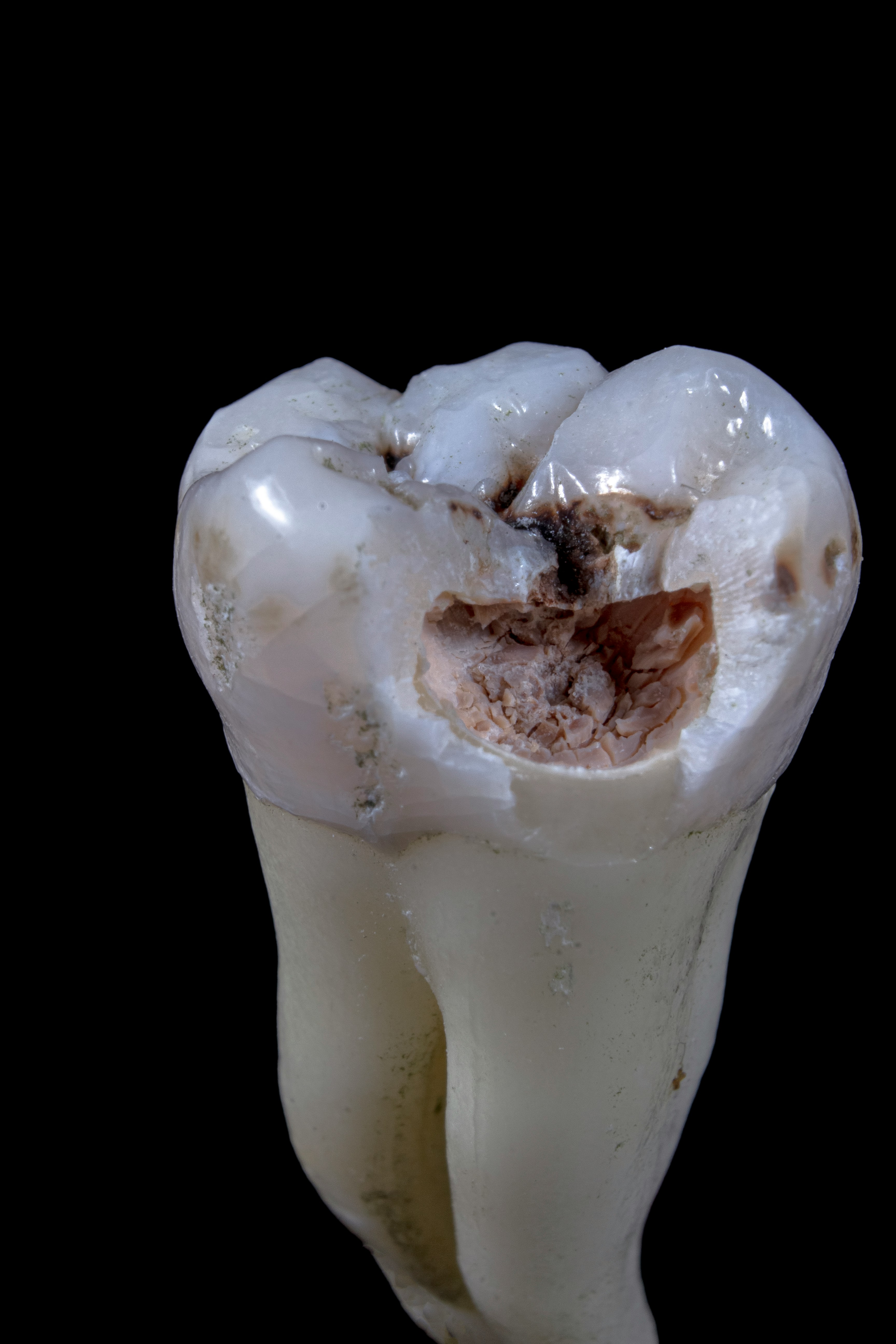
You fixed one tooth. Then another one cracked. A few years later, a filling broke. Then a crown chipped. Then another tooth needed treatment. Eventually, you may start wondering: “Do I just have bad teeth?”
Usually, the answer is much more complicated. When one tooth breaks, we fix that tooth. But when teeth keep breaking, we need to start asking a different question: Why?
Your teeth are part of an entire chewing system. When you bite and chew, tremendous forces travel through your teeth, muscles, jaw joints, and bone. In a healthy, balanced chewing system, those forces are shared among many teeth.
But sometimes that balance changes. A missing tooth may cause neighboring teeth to carry more of the workload. One tooth may contact before the others. Clenching or grinding may dramatically increase the forces placed on your teeth. Suddenly, certain teeth are doing more work than they were designed to do.
Think about carrying a heavy grocery bag. Using your whole hand isn’t a problem. Hang that same bag from one finger long enough, however, and that finger is going to complain. Your teeth aren’t much different.
Chewing forces are only part of the story. A tooth with a large filling is structurally different from an untouched tooth. Every cavity, filling, fracture, and dental procedure can change how forces travel through that tooth.
Imagine the difference between a solid wooden beam and one with removed and replaced sections. The beam may look strong, but it’s no longer the same structure. Combine a weakened tooth with excessive force, and eventually something may give.
This is where things get especially interesting. Clenching and grinding may be related to stress, sleep, medications, or other factors. Breathing and airway problems during sleep may also be associated with increased jaw-muscle activity in some people.
Your muscles, jaw joints, tooth position, missing teeth, past dental work, and daily habits can all influence how your chewing system functions. That is why simply looking at the tooth that broke doesn’t always tell us the whole story.
Of course, when a tooth breaks, our priority is determining whether we can repair it and how best to protect it. But if this keeps happening, I don’t want to move from tooth to tooth and fix the latest casualty.
I want to understand the pattern. Where do your teeth touch first? How are the forces distributed when you chew? Are certain teeth carrying more than their share? Are there signs of clenching or grinding? How healthy is the underlying tooth structure? What else might be contributing?
Sometimes there isn’t one simple answer. That’s okay. The goal isn’t to find something—or someone—to blame. The goal is to gather enough information to make better decisions moving forward. Because you may not have “bad teeth” at all, your teeth may simply be telling us that something in the system needs our attention. And when we listen to the entire system instead of only repairing what breaks, we have a much better chance of protecting your teeth for the journey ahead.