

If you have ever developed a rash from a watch, earrings, a necklace, or a belt buckle, you may already know your body doesn't love every metal it meets.
If you are considering a dental implant, it is perfectly reasonable to ask: “If I have metal allergies, can I still have a dental implant?”
It is an important question—and one worth discussing before treatment begins.
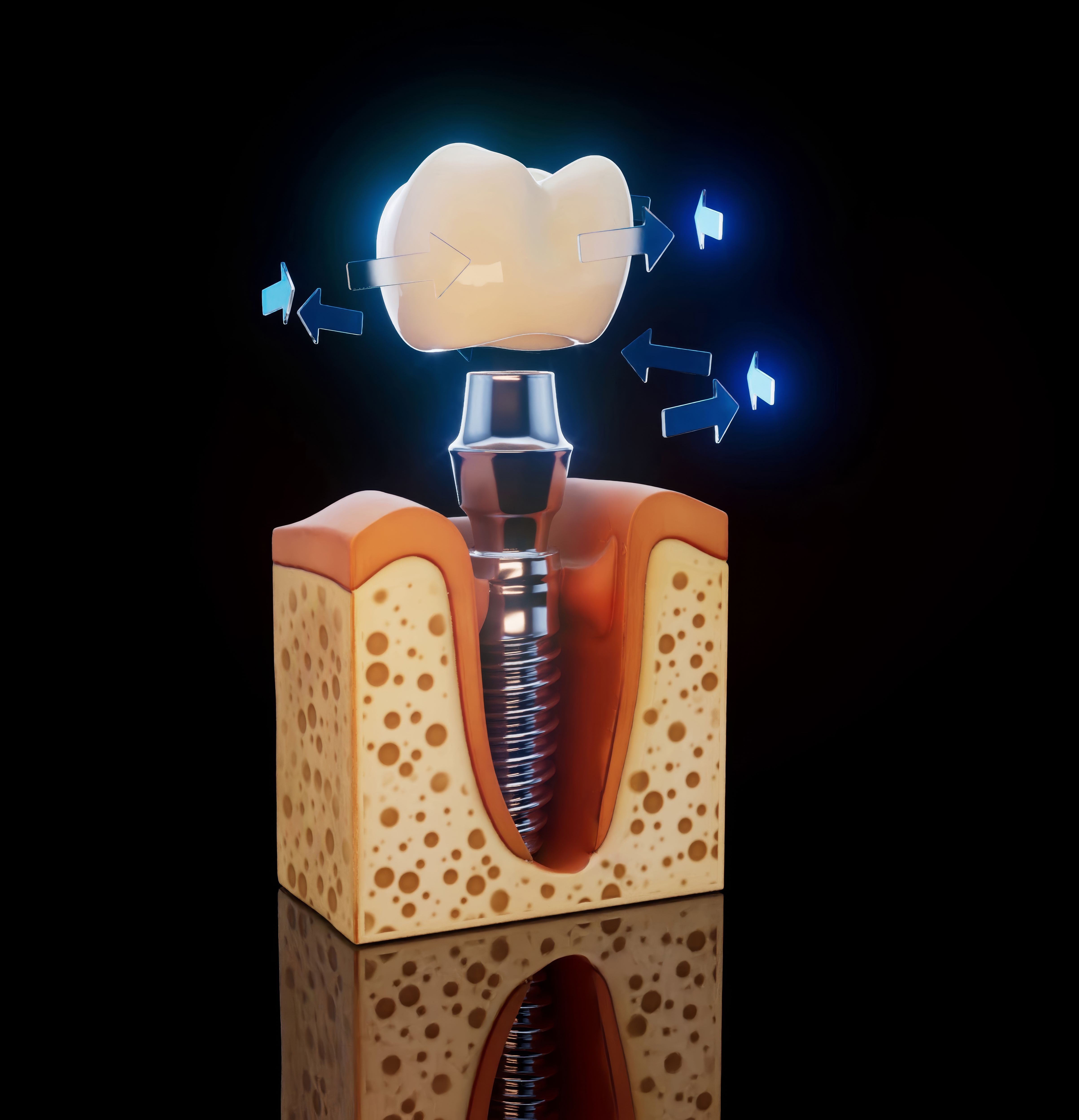
Most dental implants are made from titanium or a titanium alloy. Dentists have used titanium in dentistry and medicine for decades because it is strong, lightweight, corrosion-resistant, and generally well tolerated by the human body.
Once placed into the jawbone, the goal is for the bone to grow closely against the implant surface through a process called osseointegration. This creates a strong foundation for the replacement tooth. For most patients, titanium implants work extremely well.
Yes, hypersensitivity reactions to titanium have been reported, although current research suggests they are uncommon. This is especially worth discussing if you already know that you have sensitivities or allergies to metals.
If you tell me that inexpensive earrings make your ears red, a watch causes a rash, or you’ve previously been diagnosed with a metal allergy, I want to know. That doesn’t automatically mean you cannot have a titanium implant. It simply means your history matters.
You might assume we can perform an allergy test and get a yes-or-no answer. Unfortunately, titanium is a little more complicated.
Patch testing and blood-based tests have been used to investigate suspected titanium hypersensitivity, but research has found limitations and inconsistencies. There isn’t currently a universally accepted test that can definitively tell us whether a patient will react to a titanium dental implant. That makes listening to the patient even more important.
Your medical history, previous reactions, existing allergies, clinical findings, and personal concerns all deserve consideration.
For certain patients, zirconia dental implants may provide an alternative.
Zirconia is a ceramic material, not a metal. It is strong, tooth-colored, and has become an option for patients who prefer a metal-free approach or for whom titanium may not be desirable. That doesn’t mean zirconia is automatically “better” than titanium. Each material has its own advantages, limitations, clinical history, and situations in which it may—or may not—be appropriate.
The goal is not to choose a material because it sounds healthier. The goal is to choose the material that makes the most sense for you.
I believe healthcare works best when we listen first. If you are concerned about placing metal in your body, please tell us. If you have had reactions to metals in the past, please tell us. And if you want to understand exactly what is being placed into your body, please ask. You deserve that conversation.
My role isn’t to dismiss your concerns or convince you that there is only one right answer. My role is to listen, evaluate the available evidence, explain your options, and help you understand the benefits and limitations of each. Then we make the decision together. Good dentistry isn’t simply about replacing a missing tooth; it’s about caring for the person attached to it.