

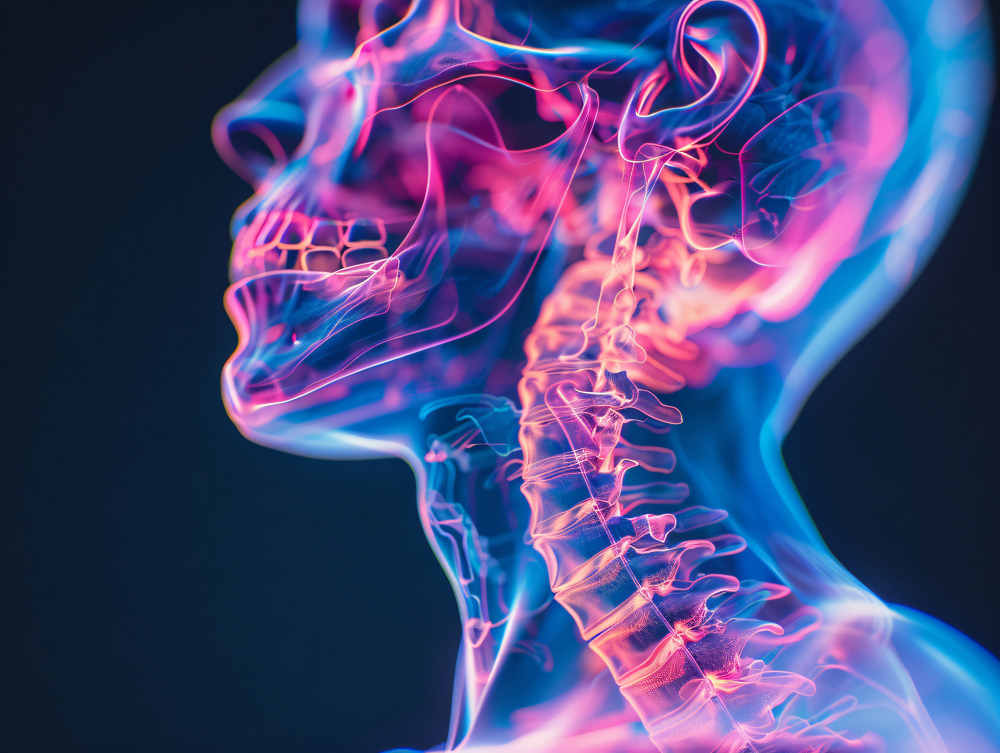
In many traditional healing systems, the body is understood as an interconnected network rather than a collection of isolated parts. Meridian lines—pathways through which energy and information are believed to travel—offer one such framework for understanding this interconnectedness. Through this lens, the mouth and jaw are not merely structures for chewing and speaking, but a critical crossroads where multiple systems converge and influence the rest of the body.
Meridian theory originates from traditional East Asian medicine and describes channels that connect different regions of the body into functional systems. These pathways are not physical structures like nerves or blood vessels, but conceptual maps used to observe patterns of balance, stress, and dysfunction.
Each meridian is associated with specific organ systems and physiological functions, forming a network that links surface anatomy with deeper processes. While Western medicine emphasizes anatomy, pathology, and biochemistry, meridian theory offers a complementary way to recognize relationships between symptoms that may otherwise appear unrelated.
The oral cavity is uniquely positioned within this network. Anatomically, it sits at the intersection of the head, neck, and airway and contains a dense concentration of nerves, muscles, connective tissue, and vascular structures.
From a meridian perspective, this region corresponds with pathways traditionally associated with digestion, stress regulation, circulation, and structural balance. As a result, the mouth can become a sensitive indicator when the body is under sustained physical or emotional load.
One commonly cited example involves the stomach meridian, which traditionally runs through the face and upper and lower jaws. In clinical observation, individuals experiencing chronic digestive stress or systemic inflammation may present with recurring dental sensitivity, inflammation, or bone changes around specific posterior teeth—even when oral hygiene and local dental care are appropriate.
From a meridian-based perspective, these findings are not viewed as being “caused” by the stomach, but as another expression of imbalance along a shared pathway. This may help explain why treating the tooth alone sometimes provides only temporary relief, while broader systemic or lifestyle support leads to more lasting stability.
The jaw plays a particularly important role at this crossroads. It is one of the most neurologically complex joints in the body and has a direct relationship with the autonomic nervous system.
Chronic clenching, grinding, or asymmetrical jaw function can influence head and neck posture, breathing patterns, and stress responses. From a meridian standpoint, restriction in this region may affect multiple pathways at once, contributing to symptoms that are widespread rather than isolated.
This perspective does not replace evidence-based dentistry, nor does it suggest that meridian imbalances are the root cause of dental disease. Instead, it offers an additional lens for pattern recognition—particularly when symptoms are persistent, recurrent, or disproportionate to local findings. It invites curiosity rather than conclusions.
Seeing the mouth as a crossroads encourages a more integrated understanding of health. Oral findings may reflect broader patterns within the body, and meaningful healing often occurs when structure, function, and self-awareness are addressed together.
Sometimes, a tooth is not just a tooth—it is a signal, quietly pointing toward a larger story within the healthy self.